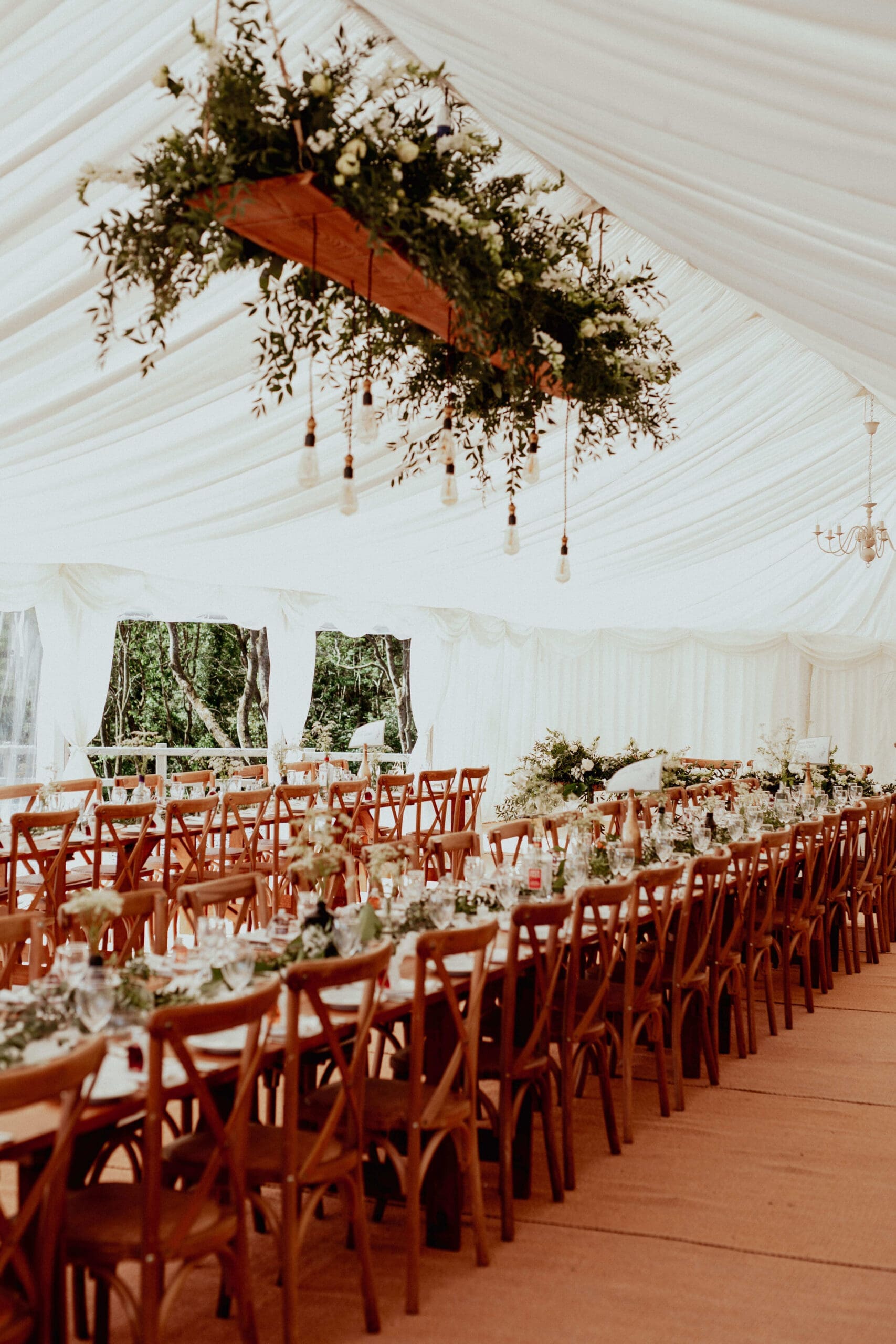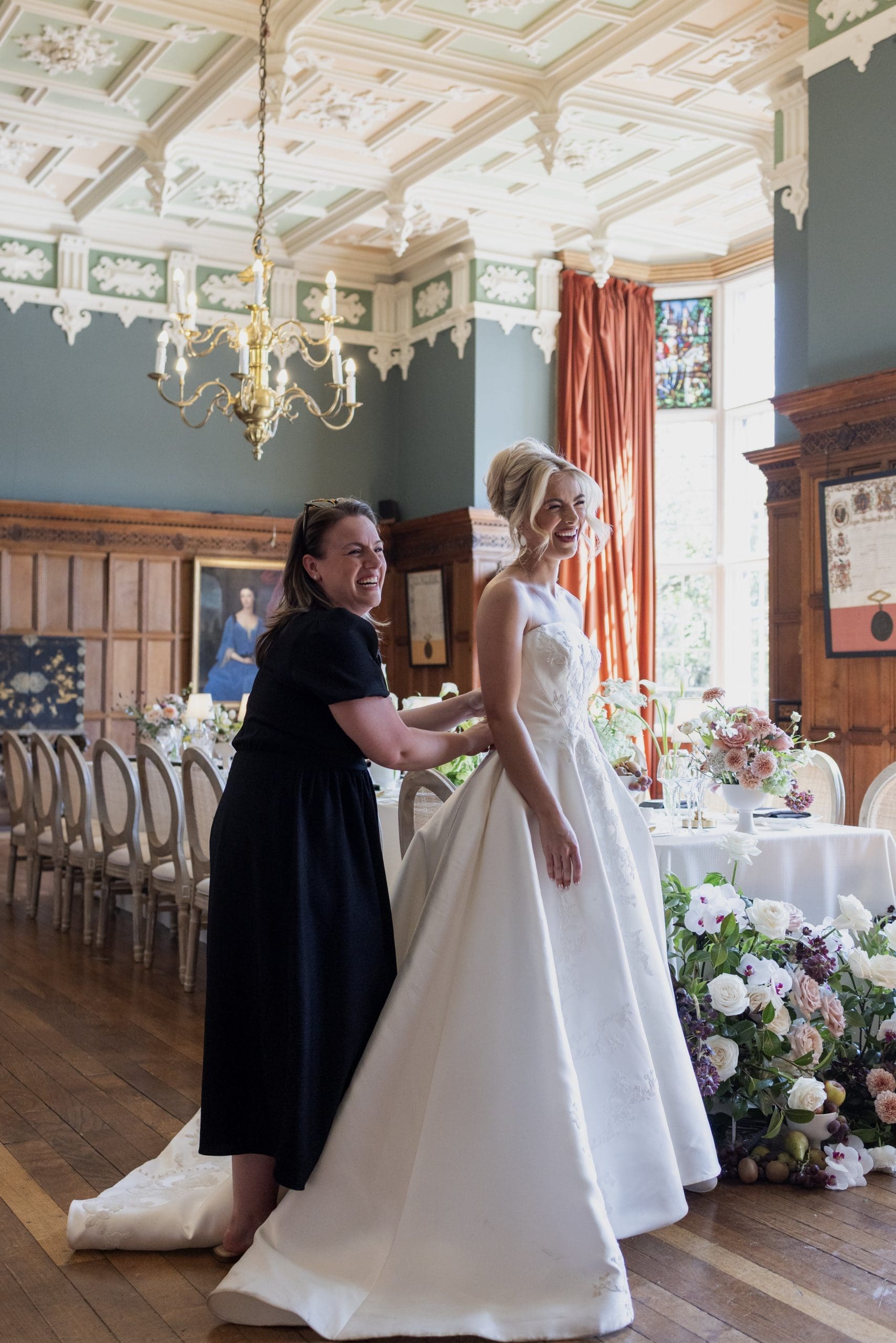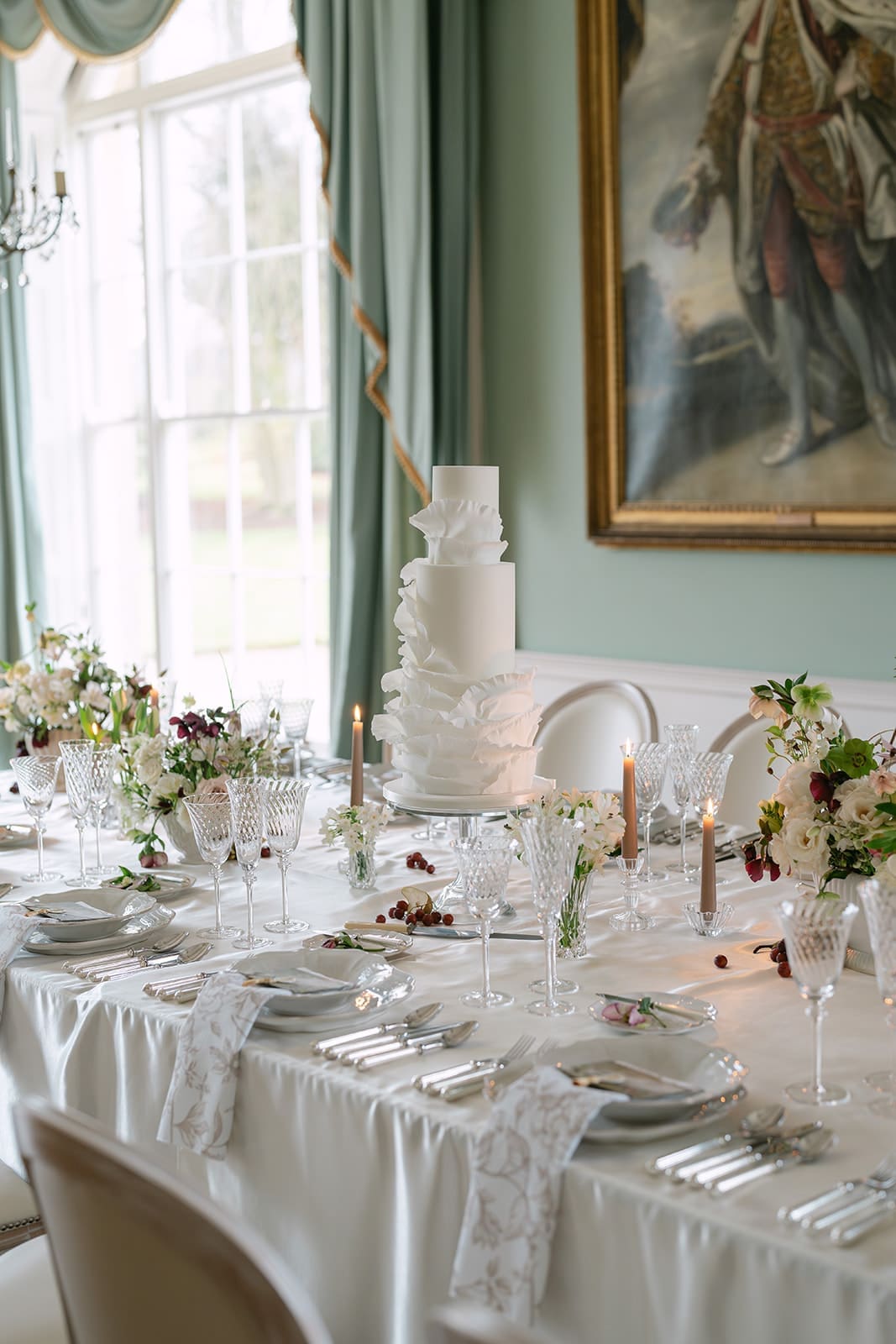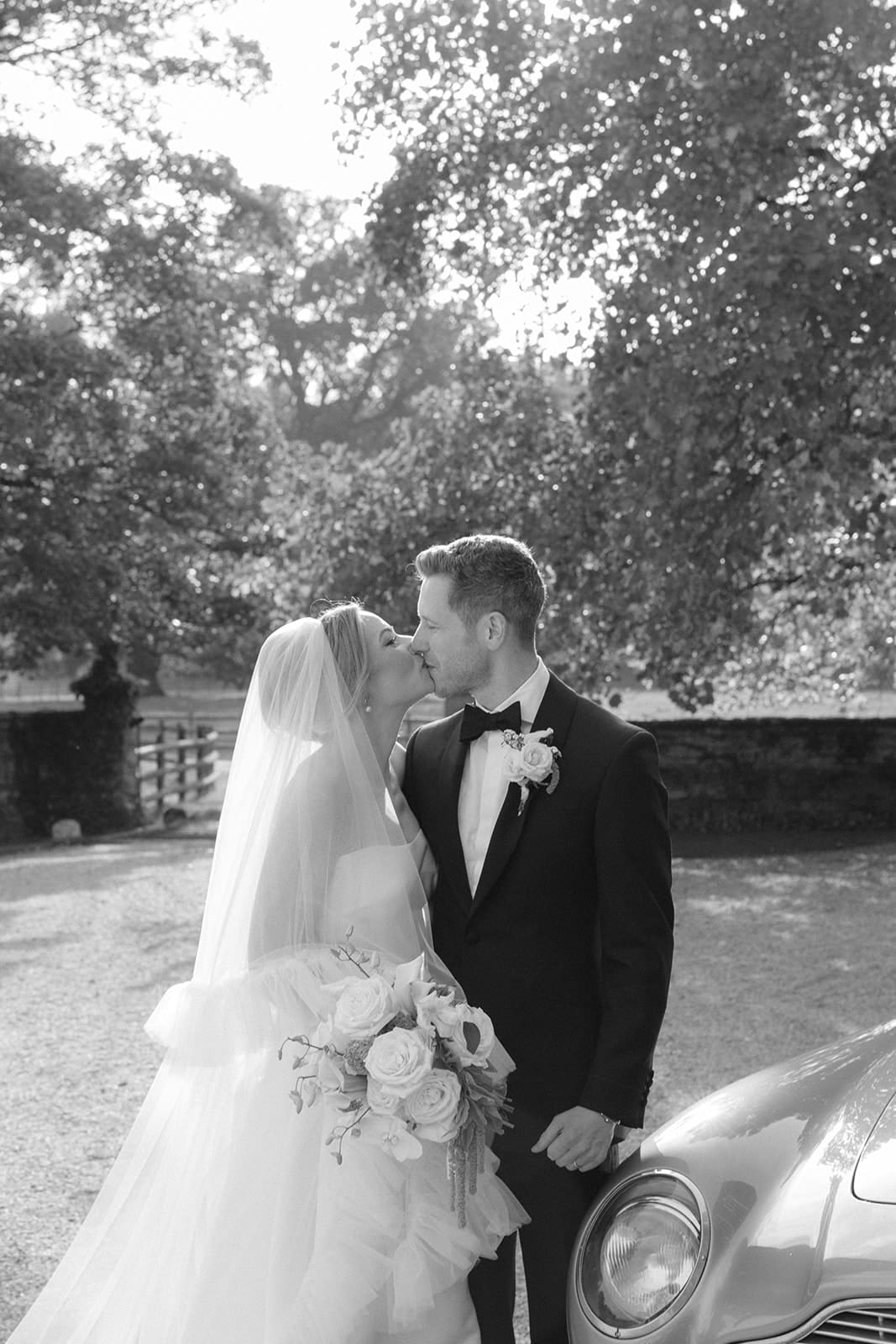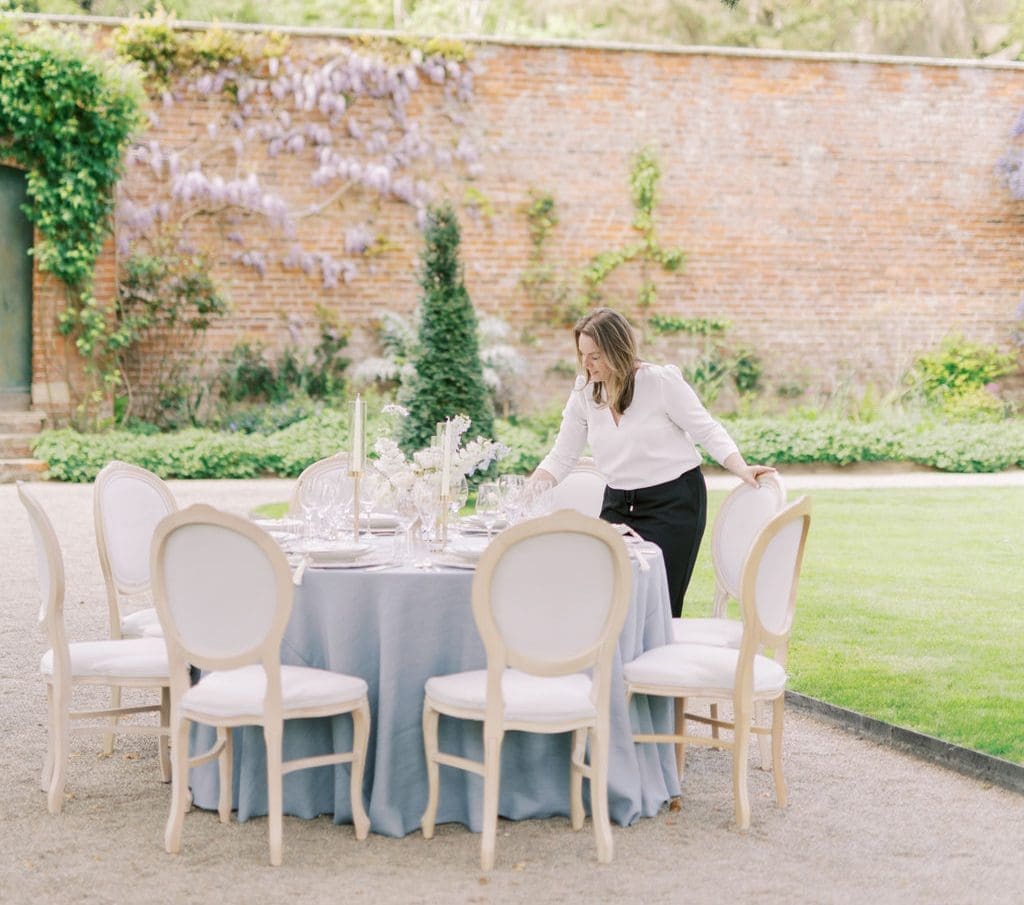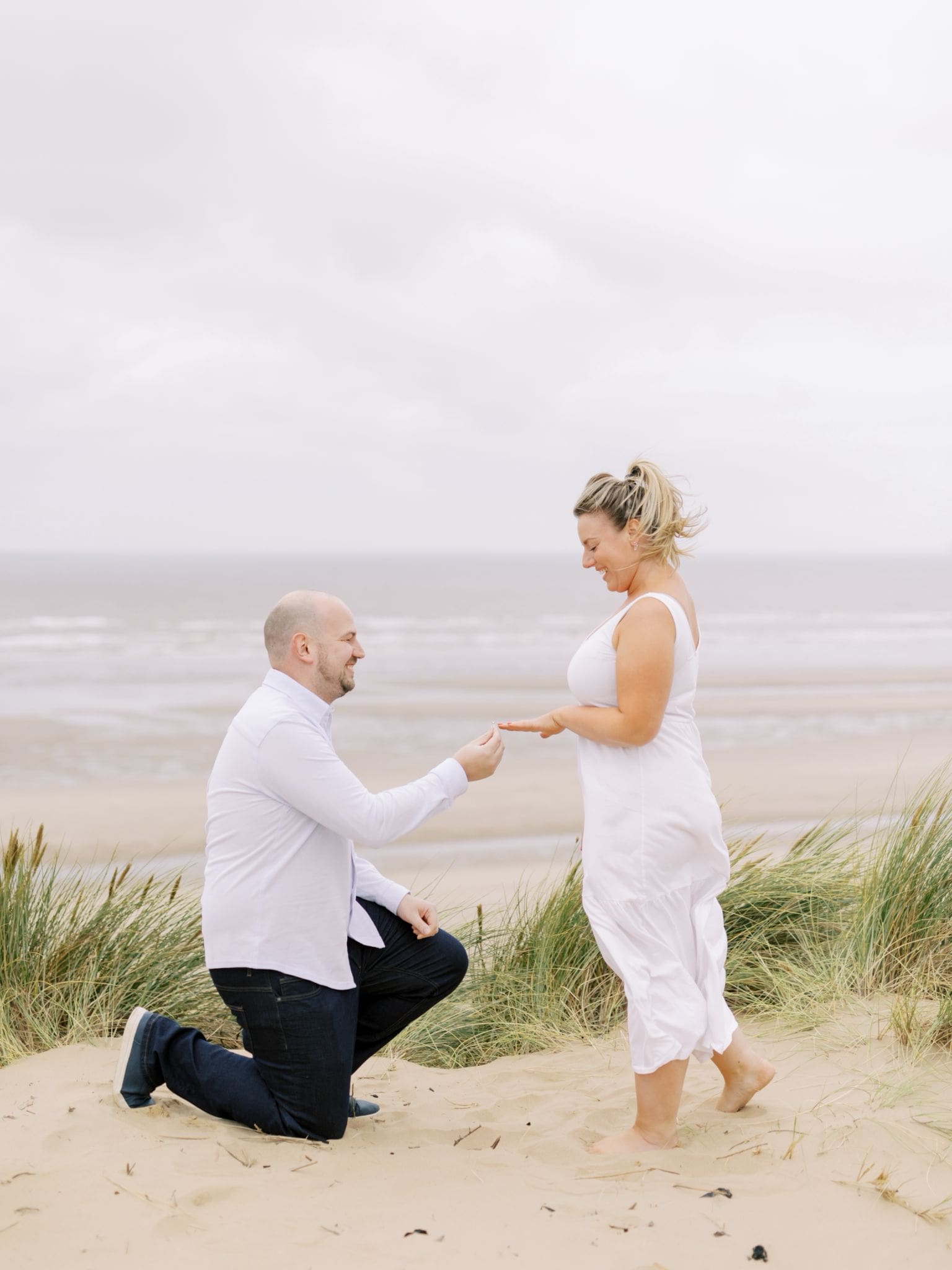

If you’re wondering what to do after getting engaged, this guide walks you through the first steps to take — without overwhelm. Tips from a wedding planner who’s planned 50+ weddings in luxury venues and stunning marquee weddings across the UK.
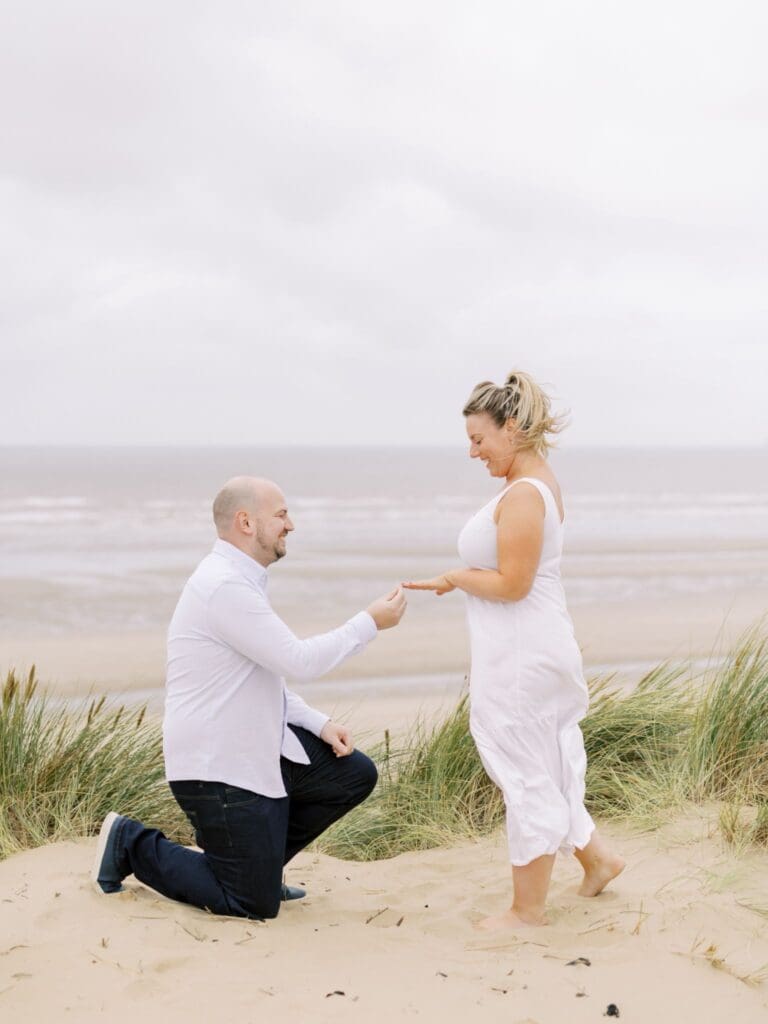
What to do first after getting engaged
First of all, congratulations! If you’ve just got engaged (or hoping to be soon), this is such an exciting moment. You will now be telling everyone you meet that you are newly engaged, so enjoy it!
Those first few days and weeks can feel like a whirlwind. Your phone doesn’t stop. Pinterest suddenly becomes your most-used app. And you start wondering if you need to book everything immediately.
You don’t.
Before you get swept up in wedding planning, here’s what I recommend as a wedding planner who’s supported over 50 couples through this process.
Step 1: Take it all in
The best first step is to not do anything. I know it sounds counterintuitive, but trust me, this is the best way to prevent feeling overwhelmed.
It can be really tempting to jump into planning mode and start locking things in, booking every venue visit under the sun and writing up your guest list. But this moment is special and therefore shouldn’t feel rushed. Celebrate, go for dinner, tell your people, take some photos and have a glass of champagne.
There’s absolutely no rush! You don’t need to pick a date tomorrow or book your venue within a week. Wedding planning is a marathon, not a sprint. And it’s so much more enjoyable when you give yourself a little breathing space to enjoy the process.
Couples often burn out early simply because of the sheer volume of research involved—planning a wedding can take over 500 hours. There’s a temptation to make quick decisions at the start, but rushing this stage often leads to choices that don’t fully reflect what you want.
Taking a step back gives you the space to visit venues, understand your budget, and define your priorities so your first decisions are considered and not reactive.
Step 2: Talk about what matters most
Before you open spreadsheets or start viewing venues, sit down together and talk about what you both want for the big day. This is your chance to get creative and listen to each other.
Start with a few simple questions:
- Do you want a big celebration or something more intimate?
- City, countryside, or destination wedding?
- Are there family traditions or cultural elements to include?
- What do you want the day to feel like?
- Are there personal touches or experiences you want to build in?
- What are your non-negotiables?
It doesn’t need to be a deep, structured chat just yet. But getting on the same page early on is one of the best ways to avoid stress and decision fatigue later. If you start with shared priorities, every step after that becomes much simpler.
Step 3: Get a rough idea of your guest list
Quick note here: this can shape everything. You don’t need an exact headcount, but there’s a big difference between planning a wedding for 40 guests or 140 guests.
Your guest count will influence:
- venue options
- budget allocation
- catering and staffing
- accommodation and logistics such as transport
It’s also a great moment to start thinking about who you might want to bring on board for help, whether that’s a full wedding planner or someone to support you with on-the-day coordination and timelines.
Step 4: Ballpark your budget
Again, you don’t need to map out every last detail (yet), but having a ballpark figure will really help when you start shortlisting venues and suppliers.
Think of it more as a “comfort range” than a fixed number.
Having a rough budget will help you shortlist venues and suppliers with confidence. It also keeps expectations realistic from the start.
If you’re unsure where to begin, a wedding planner can help here. Especially when it comes to hidden costs like:
- furniture hire
- overtime charges
- contingency buffers for last-minute changes
Getting clarity early saves stress later.
When should you start booking suppliers?
As soon as you’re ready to make informed decisions.
In the current market, key suppliers are booking further in advance than ever—often 18–24 months ahead. It’s not unusual for photographers, hair and makeup artists, and bands to be fully booked well in advance, particularly because many work independently rather than as part of a larger team.
What to book first:
Once your venue is secured, your next priority should be your key suppliers.
For marquee weddings, this typically includes:
- catering
- bar
- marquee structure
- music and entertainment
- photographer
For venue-based weddings:
- photographer
- music and entertainment
- hair and makeup
These are the suppliers who shape the overall experience and availability can be limited.
Book early but choose carefully
While it’s important to secure your suppliers early, that doesn’t mean rushing into decisions.
Take the time to understand how they work, their style, and whether they’re the right fit for you as a couple. Don’t make a decision based on just one image on Instagram. I recommend you explore and see if you can trust the person behind it.
Details like timelines, music choices, and styling can all be finalised later. What matters most is securing the right people early.
If you’re unsure, a wedding planner can guide you. I regularly recommend trusted suppliers I’ve worked with consistently and who align with not just your vision, but who’ve demonstrated previous experience and knowledge of the venue and style of wedding.
Do you need a wedding planner?
When it’s most valuable:
A wedding planner is most valuable if you have a busy schedule, are planning a multi-day celebration, or are organising a wedding from a distance. It’s also particularly helpful for at-home or marquee weddings, where full oversight is needed to bring everything together and ensure this doesn’t fall to a family member to manage.
What it changes:
Instead of managing multiple enquiries, decisions, and logistics yourself, you have someone who already knows the right suppliers and how everything fits together.
That clarity allows you to move forward with confidence, rather than second-guessing each step.
Step 5: Enjoy being engaged
You’re engaged, time to live it up! This is a moment you’ll only experience once, so enjoy it. Post your engagement photos, throw a party, book a weekend trip away just the two of you to soak it all in.
There’s plenty of time to plan the perfect day, but enjoy the feeling of spending time together as a newly engaged couple. When you’re ready to start making decisions, you’ll do it from a place of excitement and not pressure.
Ready to start planning?
If you want guidance from the very beginning—so every decision feels clear and considered—I’d love to support you.
→ Book a relaxed, planning consultation with me
Photo credits: Heledd Roberts Photography
FAQs for newly engaged couples
It’s important to start planning for logistical reasons. But just as important to pause and enjoy being newly engaged. Before jumping into venue visits or bookings, take time to talk through your priorities, budget, and what you both want from the day. Starting from that place makes the planning process far more considered.
Your venue is usually the first key decision. If you’re planning from abroad, working with a wedding planner early can make the process significantly easier. For couples deciding between a venue or a marquee wedding, it’s often helpful to explore both options before committing. Once your direction is clear, you can move forward with confidence.
Wedding planning timelines can vary widely. I’ve planned weddings in a matter of weeks, while others are planned over 12–18 months or more. A longer lead time gives you more choice when it comes to venues and suppliers. But with the right support, timelines can be flexible.